

A Guide to Island Ventilation Hoods
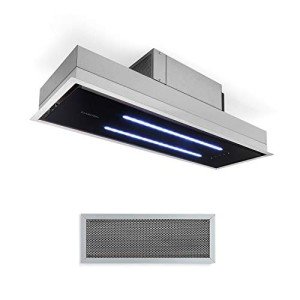
Trendy vent hoods make a sophisticated declaration in your kitchen. They're offered in a variety of styles that match any decor. They're also practical, permitting you to get rid of cooking odors and air-borne grease while offering ventilation.
They're offered in ductless models that recirculate kitchen air after filtering (terrific for open-plan cooking areas) and downdraft vent hoods that pull smoke and steam downward, suitable for minimalist designs.
Aesthetic appeals
The aesthetic appeals of island vent hoods are as varied as the kitchen areas they are set up in. From sleek to stylish, the styles of these appliances make them a centerpiece in any space. Some featured decorative functions like glass canopies and LED lighting to include a visual component to the area. Others include more standard, chimney-style styles that are more functional and useful.
Vent hoods are designed to be installed on the wall or incorporated into cabinets, so there are lots of choices readily available for various kitchen designs. These hoods also vary in size, with smaller sized designs suitable for space-saving designs and bigger ones suited to big, open kitchen designs. You can likewise pick a vented or ductless design, with the latter being perfect for homes without existing ductwork.
Something to keep in mind is that the height at which a ventilation hood is installed identifies how well it can operate. For ideal results, it must be between 24 and 30 inches above your cooktop surface area. This guarantees that it can record smells, smoke, and steam successfully while remaining unobtrusive to your view when cooking.
A downdraft ventilation system is another choice for island cooktops. These systems are hidden in the ceiling and increase when triggered, using a discreet ventilation solution that can be quickly concealed when not in use. These vent hoods work well in minimalist design styles, as they offer a clean, unobstructed view of your stovetop.
You can likewise discover hoods that install to the ceiling directly above your island or other cooktops, such as a peninsula. These are frequently large and provide effective ventilation to remove cooking smells for tidy kitchen air. This type of hood is frequently more pricey, as it should be very effective to suck up smells and smoke from such a distance. Some of these hoods likewise come with a telescoping chimney that broadens when in use and pulls back to the ceiling when not in use. If you choose a more unobtrusive style, you can likewise choose a hood that is recessed into the island counter top.
Effectiveness
One of the main functions of island vent hoods is to pull smoke, steam, and smells far from your kitchen. This assists to keep your cooking area tidy and fresh, as well as the surrounding rooms in your house. In addition, it can help prevent airborne grease from blocking your walls, ceilings, and other surfaces, saving you the hassle of regular cleansing.
A lot of island vent hoods are extremely effective, utilizing effective motors to record and distribute air-borne contaminants. They likewise have a sleek design that works well with contemporary kitchen areas. As an added benefit, many designs feature integrated lighting for much better exposure when you're cooking at nights.
Choosing the ideal island range hood for your kitchen is necessary for optimal effectiveness and performance. To make the ideal decision, consider your space, cooking practices, and budget. Whether you want a fundamental design or something advanced, it's important to read the producer's guidelines thoroughly before installation.
The key to an effective island ventilation hood is its blower, which draws in smoke and steam, filters it, and expels it through the ductwork. A lot of makers use a wide variety of blower sizes and speeds, so you can discover the perfect suitable for your kitchen. They also provide a number of types of ductwork, consisting of metal and versatile tubing. Some of them consist of a damper to avoid outdoors air from entering the duct when the fan is not running.
Some vent hoods utilize recirculating filters rather of external ducting. They work by filtering the inbound air with charcoal, and after that returning it to your kitchen. Nevertheless, it's always more effective to vent the contaminated air out of your house, instead of recirculating it.
The most common type of island hood is ducted. This utilizes a metal duct that leads the air to the exhaust vent outside your home. It's an effective alternative if you have sufficient room for a duct and your home can support it. Nevertheless, if you're looking for an ecologically friendly option, you can likewise choose a ductless island ventilation hood. These are more cost effective than ducted designs, but they may not be as efficient.
Sound
While kitchen hoods play an important role in the health of your cooking environment by eliminating smoke, smells, and grease from the air, they can likewise be quite loud. Nevertheless, there are numerous techniques that can be utilized to decrease kitchen hood sound and delight in a quieter cooking experience.
Among the most significant factors that can add to kitchen hood sound is the blower size. A smaller sized blower will produce more sound than a larger blower when creating equivalent CFM's. This is why it is vital to pick a high quality hood with a large blower when possible. Having the ability to increase or decrease the fan speed will likewise minimize kitchen hood noise.
Another aspect that can trigger sound is the kind of filter. Generally, low-cost mesh filters produce more sound than stainless-steel baffle filters. It is likewise crucial to inspect the filter routinely for cracks or breaks. This will prevent unfiltered air from escaping the hood and entering your home.
The size of the hood and ducting likewise play a role in how much noise is created by the kitchen hood. It is important to make sure that the hood is big enough to capture all of the smoke and steam created when you prepare. The hood needs to also be installed at the appropriate height, which is normally 30 inches above the stove top.
There are numerous options when it pertains to picking a ventilation hood, including wall mount and island hoods. Ductless models are also available and can be an excellent option for those who do not have existing ductwork in their homes. Downdraft hoods are likewise available and can be concealed to assist supply a minimalist style.
Before acquiring a kitchen hood, it is essential to thoroughly consider the requirements of your cooking area and your overall home design. With the variety of designs, designs, and sizes readily available, it is possible to find a vent hood that will not only fit your kitchen however likewise boost its aesthetic. With appropriate installation, an elegant island vent hood can include both function and appeal to your kitchen while enhancing the total worth of your home.
Setup
Due to the fact that island ventilation hoods are suspended from the ceiling, they are more complicated to install than wall-mounted hoods and typically require some modifications to your home's structure. These aspects can increase installation costs, which is why lots of property owners select to hire professionals to manage this job.
Ventilation hoods are developed to effectively filter and remove smoke, steam, grease, and smells from the air in your kitchen. They also improve kitchen comfort by getting rid of heat and lowering humidity levels.
Whether you're cooking with gas or electrical, a quality vent hood will prevent damaging fumes from going into the kitchen. Furthermore, they can reduce the amount of grease deposited on your range and surrounding surfaces.
Island hoods are readily available in duct-out (which communicates extracted air outside) and recirculating mode (which catches smells and returns filtered air to the kitchen without the need for a chimney or exhaust hole). They can be installed on either the ceiling or above your cooktop or range.
Before trying to mount an island hood yourself, make sure you have the appropriate tools and understanding. This project includes removing and drilling holes in your ceiling, running electrical wiring, and setting up the vent cover. It's crucial to note that if you plan to use a vented hood, it must be connected to an outdoors air vent or your home could experience carbon monoxide gas poisoning.
To start, you'll need to identify the size of your vent. kitchen island extractor can be done by measuring the diameter of the hood's filter, or by utilizing a caliper to determine the distance in between each hole in the vent's interior. After you've identified the appropriate size, it's time to eliminate your vent hole in the ceiling.
When you've made the appropriate hole in your ceiling, you'll require to run your electrical circuitry from the breaker box to the hood's electrical terminal box. Be sure to follow the producer's specific guidelines for this action.
When your hood is installed, you can turn it on and check it for performance. If you're not pleased with the performance, it's a great concept to hire an expert for more extensive screening.